Loading…
Loading…
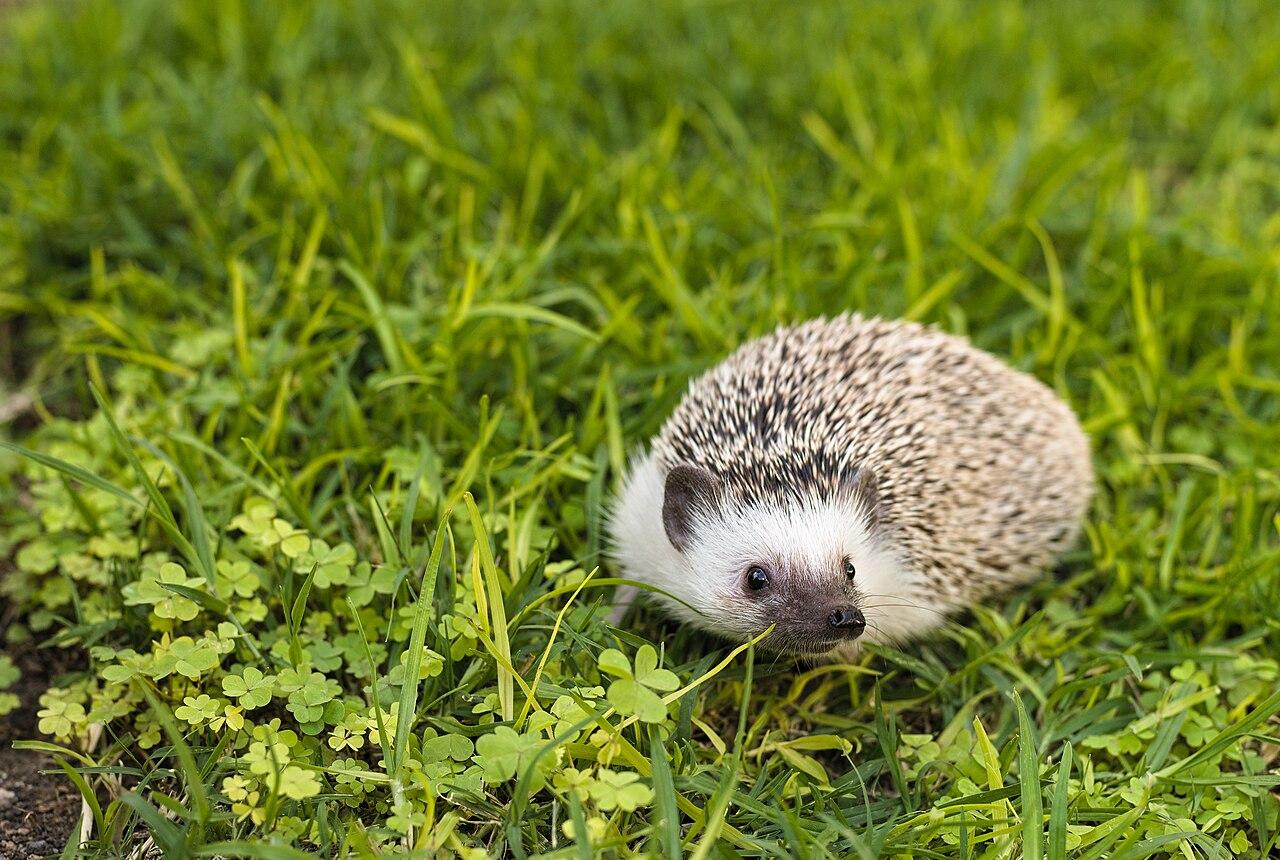
Algerian-type Pygmy Hedgehog
Prickly loner that snuffles, explores, then naps on you
A quiet, solitary insect-eater that needs a warm enclosure (24–26°C), a wheel, and patient evening handling to uncurl. Low-dander and nearly odour-free — but check legality, as hedgehogs are restricted in some regions.
Photo: Wikimedia Commons / Cvmontuy / CC BY 4.0
Care guide last reviewed: · Care requirements referenced from veterinary and humane standards.
Heated enclosure with wheel and hides; solitary by nature.
Virtually silent (1/5)
Independent — fine with long quiet stretches
Prefers to live alone
Three curated supplies researched for this companion's specific anatomy and daily welfare

African pygmy hedgehogs enter fatal hypothermic pseudo-hibernation if ambient temperatures drop below 72°F; precision thermostats maintain an unbroken 75°F basking zone.
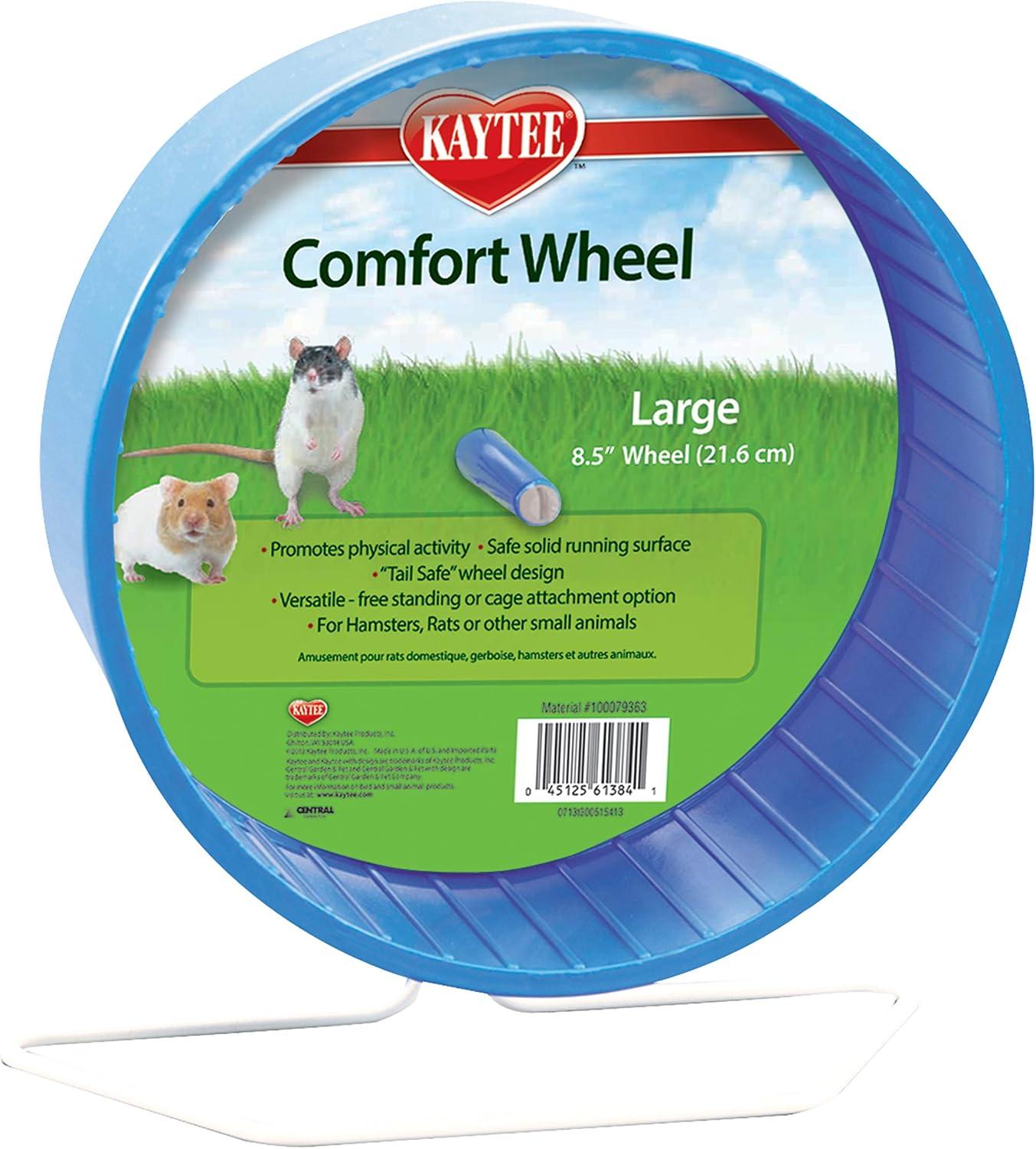
Hedgehogs run up to 10 miles each night; wire or mesh rungs catch tiny claws and cause leg fractures, requiring a seamless solid-plastic running track.
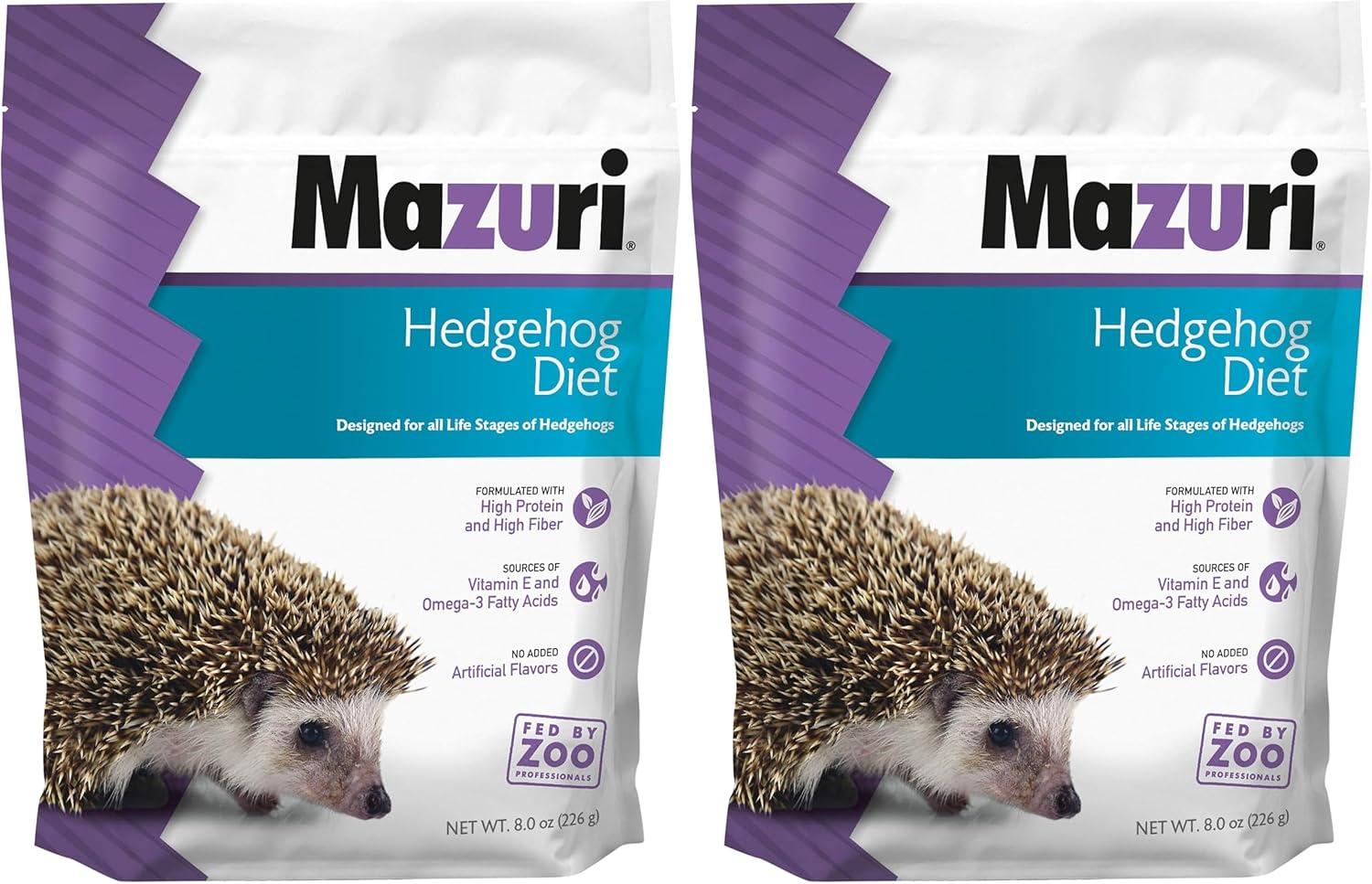
Hedgehogs require dietary chitin and high-protein, low-fat insect nutrition to maintain healthy quill production and avoid hepatic lipidosis.
As an Amazon Associate, WhatPetSuitsYou earns from qualifying purchases. Product prices and availability are accurate at Amazon and subject to change.
Expect a solitary, silent night wanderer that snuffles, splashes in water, runs miles on its wheel, anoints itself with froth at new smells, and eventually naps in your lap once trust builds. Early weeks mean huffing, clicking, and a spiky ball; quills prick but rarely break skin in adults used to handling. They are nearly odour-free and produce less dander than furred pets but are not hypoallergenic — trial handling first — and make no noise.
They do not want company of their own kind and fight if mixed. Small children find the quills painful and the nocturnal schedule frustrating; teens and adults do far better.
Feed a base of high-protein, low-fat dry food: 2 to 3 tablespoons daily of meat-first cat kibble under 15 percent fat (or specialist hedgehog biscuits) mixed from two brands to hedge recipe changes. Add live insects daily or every other day: gut-loaded crickets, dubia roaches, or black-soldier-fly larvae, with waxworms only as rare treats since they fatten fast. Offer a teaspoon of cooked chicken or egg weekly.
Provide constant fresh water in a heavy bowl (preferred) plus a bottle. Never feed milk, bread, chocolate, grapes, onion, or mealworm-only diets that cause bone disease. Weigh weekly and cut back at the first sign of the classic pear shape: obesity cripples hedgehogs.
Keep SOLITARY in a 120 by 60 cm or larger vivarium or pen with solid floors, held at 24 to 26C day and night using a thermostat-controlled ceramic heat emitter: below 22C they attempt hibernation, which is fatal in captivity, and above 28C they overheat. Add a 28 to 30 cm solid bucket wheel, two hides (warm and cool ends), tunnels, a dig box, and fleece bedding or paper with a litter tray, never dusty sawdust. Place in a quiet dim room away from sun and draughts, with a thermometer at floor level.
Provide 12 to 14 hours of gentle light daily for circadian health. Clean the wheel daily (they run through droppings) and change bedding weekly.
Spend 30 minutes daily: check the thermostat reading first, refresh food and water, clean the poop-covered wheel (unavoidable and daily), and spot-clean bedding. Handle for 20 to 30 minutes in the evening when hedgehogs wake, letting them uncurl in a fleece pouch on your lap with mealworm bribes; patience over weeks converts huffing balls into explorers. Weigh weekly, inspect feet for trapped fibres, check ears and skin for mites, and trim nails fortnightly.
Exercise matters: a wheel plus floor exploration prevents obesity. Keep handling calm and scented consistently (same soap), since new smells trigger defensive huffing and clicking.
Pygmy hedgehogs live 4 to 6 years with warm, lean care. Wobbly hedgehog syndrome (WHS), a progressive inherited paralysis starting in the hind legs, has no cure: buy from breeders who track family neurology and discuss WHS openly. Obesity and fatty liver disease from overfeeding and no wheel are the most common owner-caused killers. Hibernation attempts from cold housing are emergencies needing gradual rewarming and vet care.
Mites, dental disease, and tumours are frequent; find an exotic vet in advance since few treat hedgehogs. Annual checks with weight trend and dental review are the standard. Check legality before buying: hedgehogs are restricted or banned in several US states, Australia, and parts of the EU.
Hedgehogs cost 200 to 400 from breeders. Setup runs 150 to 250 for a vivarium, thermostat, ceramic heater, wheel, and hides, plus noticeably higher electricity bills for 24-hour heating. Monthly, budget 15 to 25 for kibble and live insects, 5 to 10 for bedding.
Annual exotic checks cost 50 to 90, mite or dental treatment 80 to 200, and tumour or WHS care more. Average 40 to 70 per month plus heating. The honest extras are the wheel-cleaning labour and the insect commitment: keepers squeamish about live crickets in the fridge should choose another pet.
A moderate exotic for patient, quiet adults, not for children or hands-off owners. You succeed with strict 24 to 26C heating on a thermostat, nightly handling patience, live-insect feeding, and an exotic vet on file. Check legality in your region first and buy from breeders who discuss WHS lines honestly.
Avoid if your home runs cold, you travel often (heating cannot fail), you want a cuddly pet (quills and huffing deter handling), or live insects disgust you. For calm night owls, the snuffling, self-anointing explorer is uniquely rewarding.
A constant 24 to 26C day and night via a thermostat-controlled ceramic heat emitter, never below 22C. Cold triggers fatal hibernation attempts; heat above 28C causes heatstroke.
Keep a thermometer at floor level and a backup heat source for outages.
Meat-first low-fat cat kibble or hedgehog biscuits as the base plus live gut-loaded insects (crickets, roaches) most days and occasional cooked chicken or egg. Avoid mealworm-only diets, milk, bread, and sugary foods.
Weigh weekly to catch obesity early.
Not everywhere: they are banned or permitted only with licences in parts of the US (including California, Hawaii, and some cities), Australia, and some EU regions. Confirm national, state, and landlord rules before buying, and never release one outdoors.
WHS is an inherited progressive paralysis starting with hind-leg wobbles and spreading forward, with no treatment. Ask breeders about WHS in their lines, report early stumbling to an exotic vet, and focus care on comfort, easy food access, and soft bedding.
Take our free 15-question what pet should I get quiz to get a personalized compatibility score and see how they match your living environment.
Take the Free Pet Quiz