Loading…
Loading…
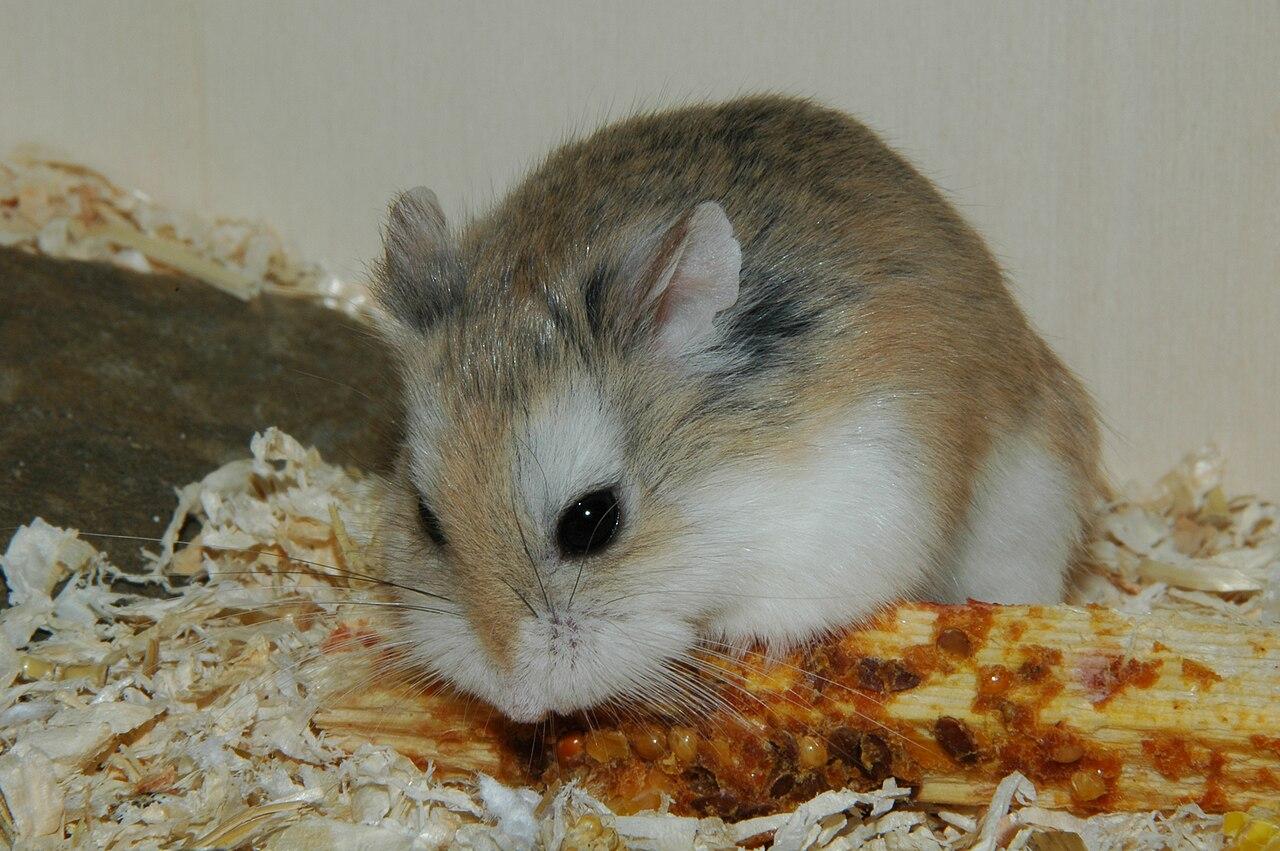
Agouti Roborovski · White-Faced Roborovski
Pint-sized speedster — a living nature documentary
The tiniest, fastest hamster: a 5 cm blur that lives happily in small groups and is fascinating to watch. Too quick to cuddle — this is a look-don’t-hold pet, perfect for observers with little space.
Photo: Wikimedia Commons / Bullet / CC BY-SA 3.0
Care guide last reviewed: · Care requirements referenced from veterinary and humane standards.
Escape-proof enclosure with tiny bar spacing; keep in same-sex groups.
Virtually silent (1/5)
Independent — fine with long quiet stretches
Thrives with daily company
Three curated supplies researched for this companion's specific anatomy and daily welfare
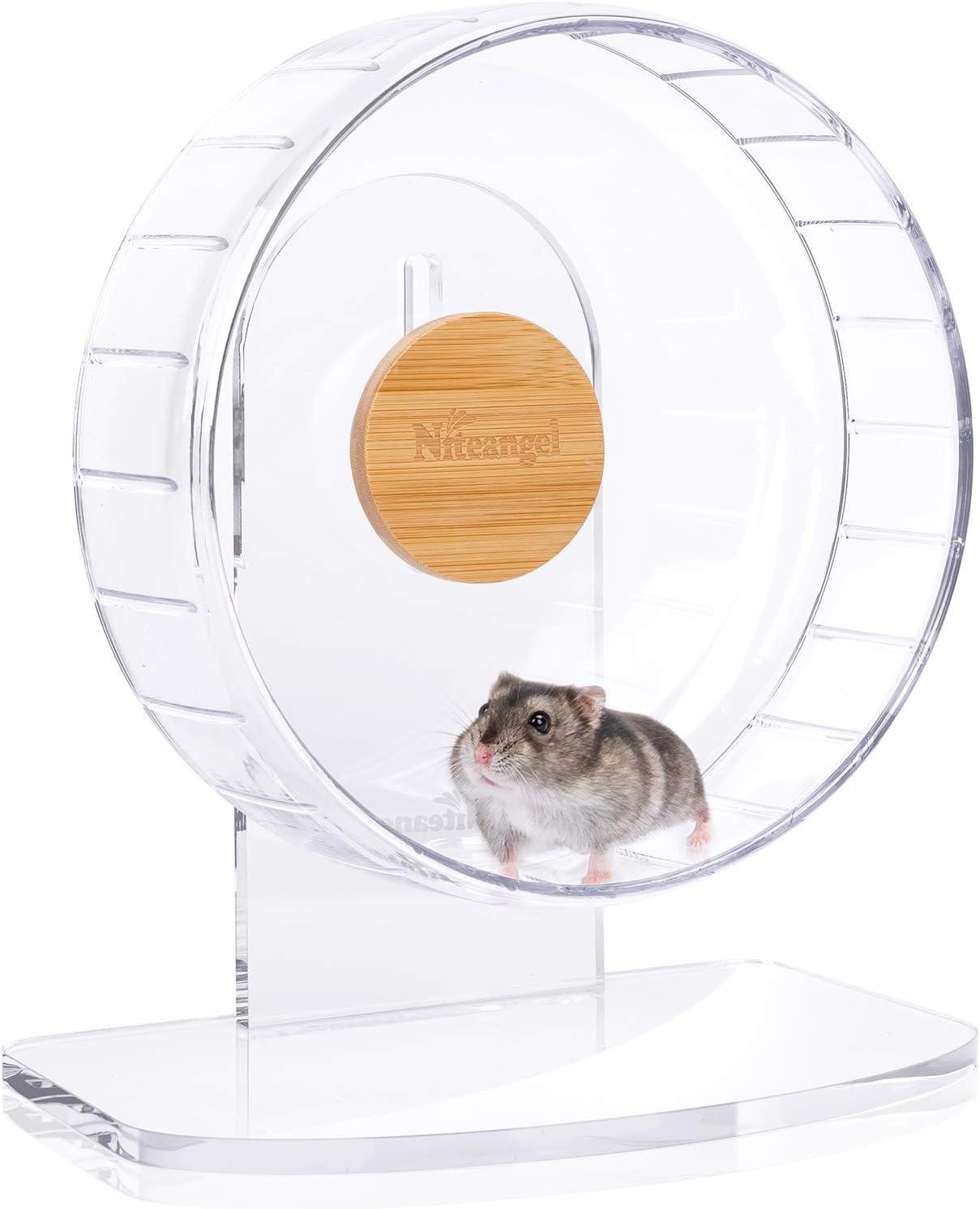
Weighing only 25 grams, tiny Roborovskis lack the body mass to turn heavy wheels; a low-resistance dual-bearing 8-inch spinner allows effortless, high-speed sprints.
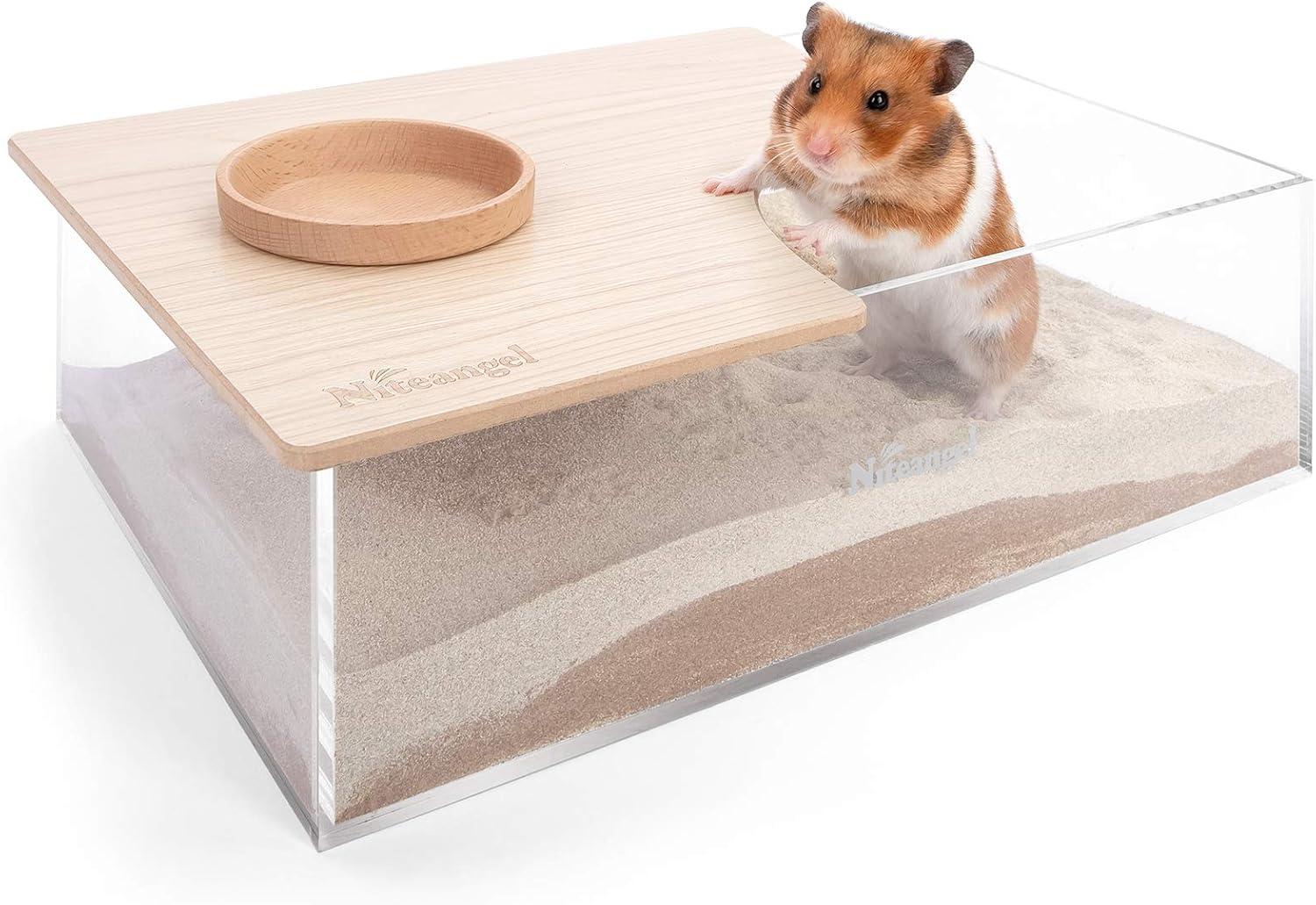
Roborovskis evolved in dry desert dunes where sand baths constitute up to a third of their enclosure; spacious transparent digging boxes let them groom their coat thoroughly.
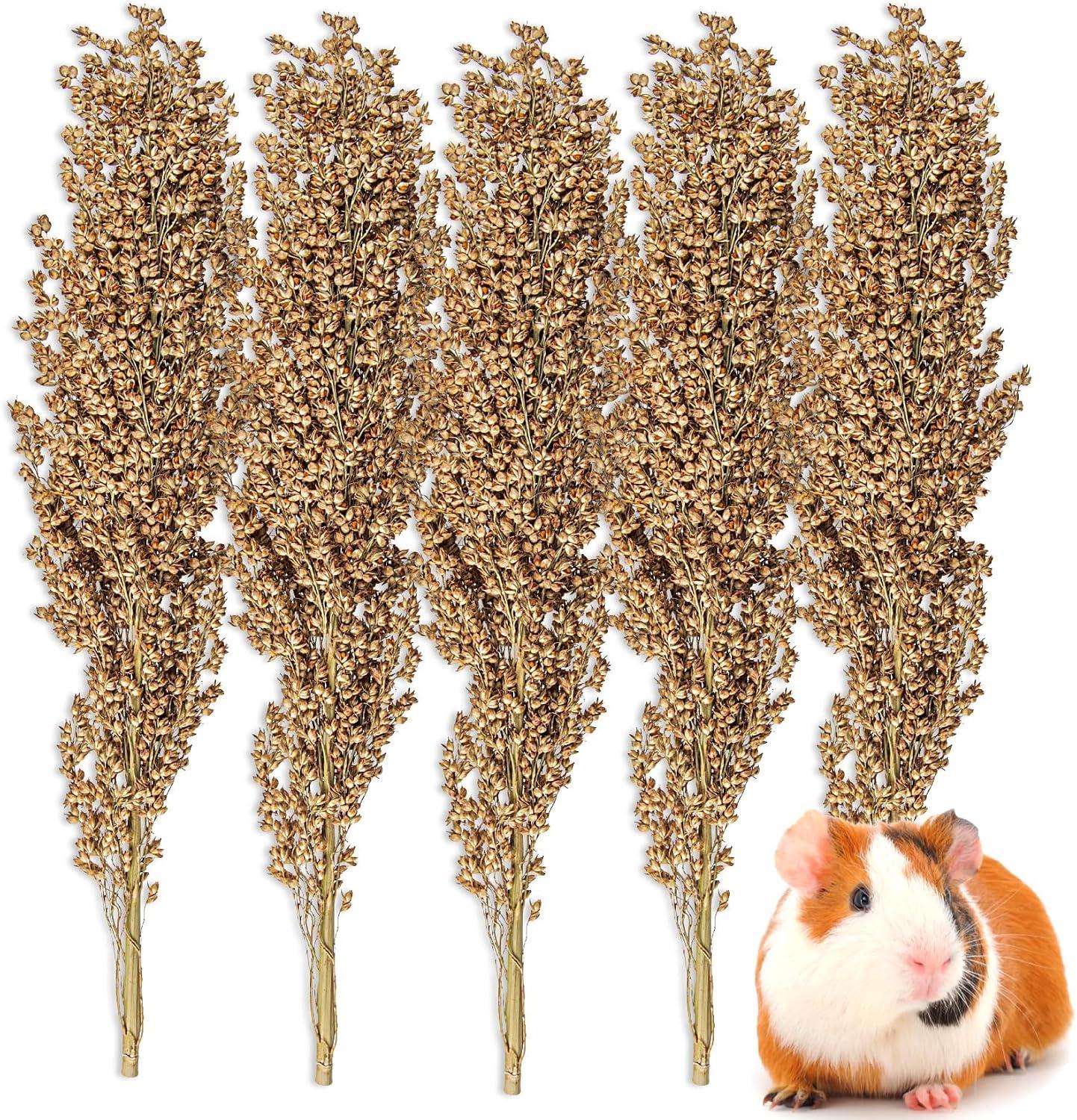
Dwarf hamsters are prone to diabetes from sugary fruit pellets; a tiny-seed foraging diet rich in millet, canary seed, and mealworms matches their ancestral desert food.
As an Amazon Associate, WhatPetSuitsYou earns from qualifying purchases. Product prices and availability are accurate at Amazon and subject to change.
Expect a 5 cm blur: Roborovskis sprint, burrow, sand-bathe, pouch food, and squabble-squeak at speeds that defeat handling. Tame groups take treats from fingers and may climb onto still hands, but catching one is stressful for everyone, so observation is the pleasure. They are silent, odour-free when cleaned, and active in charming dawn and dusk bursts.
Same-sex littermate groups usually coexist with enough space and hides, though any persistent fighting needs instant separation into side-by-side tanks. Their small size makes every tunnel, wheel, and sand pit a landscape: decorate generously and watch nightly.
Feed a dwarf-hamster mix with 17 to 20 percent protein as the base, about one teaspoon per hamster daily, plus a constant nibble of timothy hay. Add tiny fresh extras twice weekly: a pea-sized piece of broccoli, cucumber, or apple, and occasional protein such as half a mealworm or millet spray. Roborovskis are diabetes-prone, so keep sugary fruit and honey treats rare and favour low-sugar veg.
Provide constant fresh water in a small sipper bottle with 6 mm or smaller spout checked daily. Never feed chocolate, citrus, onion, garlic, almonds, or sticky sweets. Scatter-feed in bedding to encourage foraging, and remove uneaten fresh food within 12 hours.
House in an escape-proof enclosure of at least 100 by 50 cm (bigger for groups), since these 5 cm sprinters squeeze through standard bars: use a tank with a mesh lid or a cage with 6 mm or smaller bar spacing. Keep bonded same-sex groups from the same litter where possible, with enough hides (one per hamster plus one), tunnels, and space to prevent fall-outs that end in fights.
Fill with 20 cm of paper bedding for burrowing, add a solid 20 to 22 cm wheel per two hamsters (they queue for wheels), a sand bath with a large sand area (a third of the floor suits desert roboros), chews, and millet sprays. Keep at 18 to 24C away from sun and draughts.
Spend 10 to 15 minutes daily: refresh water and check the bottle, scatter measured food, remove old fresh food and soiled patches, and check wheels spin silently. Observe rather than grab: Roborovskis are look-don't-hold pets, far too fast and tiny for regular handling, so tame with hand-offered treats and tube lifts only. Weigh monthly in a jug on kitchen scales, sift sand baths weekly, and inspect eyes, feet, and teeth during calm moments.
Partial-clean bedding fortnightly without destroying burrows. They are crepuscular and nocturnal, so schedule watching after dinner. Quarantine and vet-check any hamster that suddenly slows, hunches, or loses weight.
Roborovskis live 2 to 3 years with fewer wet-tail cases than Syrians but their own risks. Diabetes risk is highest in Campbell's and hybrid dwarf hamsters; Roborovskis carry lower risk, but keep sugar minimal as a precaution and watch for excessive drinking, urination, and weight change. Bite wounds from group fall-outs, overgrown teeth and nails, and traumatic injuries from falls or escapes are the common vet presentations in UK studies. Provide a vet fund and locate an exotic vet in advance.
Prevent illness with stable warmth, escape-proof housing, compatible groups with refuges, and gentle predictable routines. Vet visits run 30 to 60; emergency care more. Short lives mean health can turn within weeks, so weekly observation matters.
Roborovskis cost 10 to 20 each. A large tank setup with lid, wheels, hides, and sand area runs 70 to 130 one-off. Monthly costs are tiny: 5 for dwarf mix and hay, 5 for bedding and sand, and occasional millet. Annual exotic checks cost 30 to 60 if used.
Emergency care runs 50 to 150. Average 12 to 20 per month even for a small group. Lifetime cost is the lowest here, but the honest framing is time, not money: 2 to 3 years of evening entertainment followed by goodbye, so families should discuss lifespan openly before buying.
A delightful observer pet for patient people with little space: endlessly watchable, cheap, quiet, and social in groups. You succeed if you want a living nature documentary, not a cuddle: provide a big sand-rich tank, compatible littermates, and enjoy hand-feeding without demanding handling. Choose for careful older children who accept look-don't-hold rules and for adults wanting minimal workload.
Avoid if you want a pet to hold, a daytime playmate (they peak at dawn and dusk), or a long-lived companion. Never house with Syrian hamsters, and split fighting groups immediately.
Yes, unlike Syrians: same-sex littermates usually coexist peacefully with 100 by 50 cm or more, multiple hides, and two wheels. Watch for persistent chasing or bite wounds and separate fighters immediately, since fall-outs can turn serious.
Barely: they are the fastest, tiniest hamsters and leap from hands dangerously. Treat them as look-don't-hold pets, taming with hand-offered treats and tube lifts.
Children must observe rather than carry them.
At least 100 by 50 cm of floor with 20 cm of bedding for burrowing, 6 mm or smaller bar spacing or a tank with mesh lid, a 20 to 22 cm solid wheel, and a generous sand area. Small barred cages mean escapes and stress.
Yes, dwarf hamsters develop diabetes more readily than Syrians. Keep sugary fruit and honey treats rare, favour low-sugar veg, and see an exotic vet for excessive drinking, urination, or weight change.
Take our free 15-question what pet should I get quiz to get a personalized compatibility score and see how they match your living environment.
Take the Free Pet Quiz