Loading…
Loading…
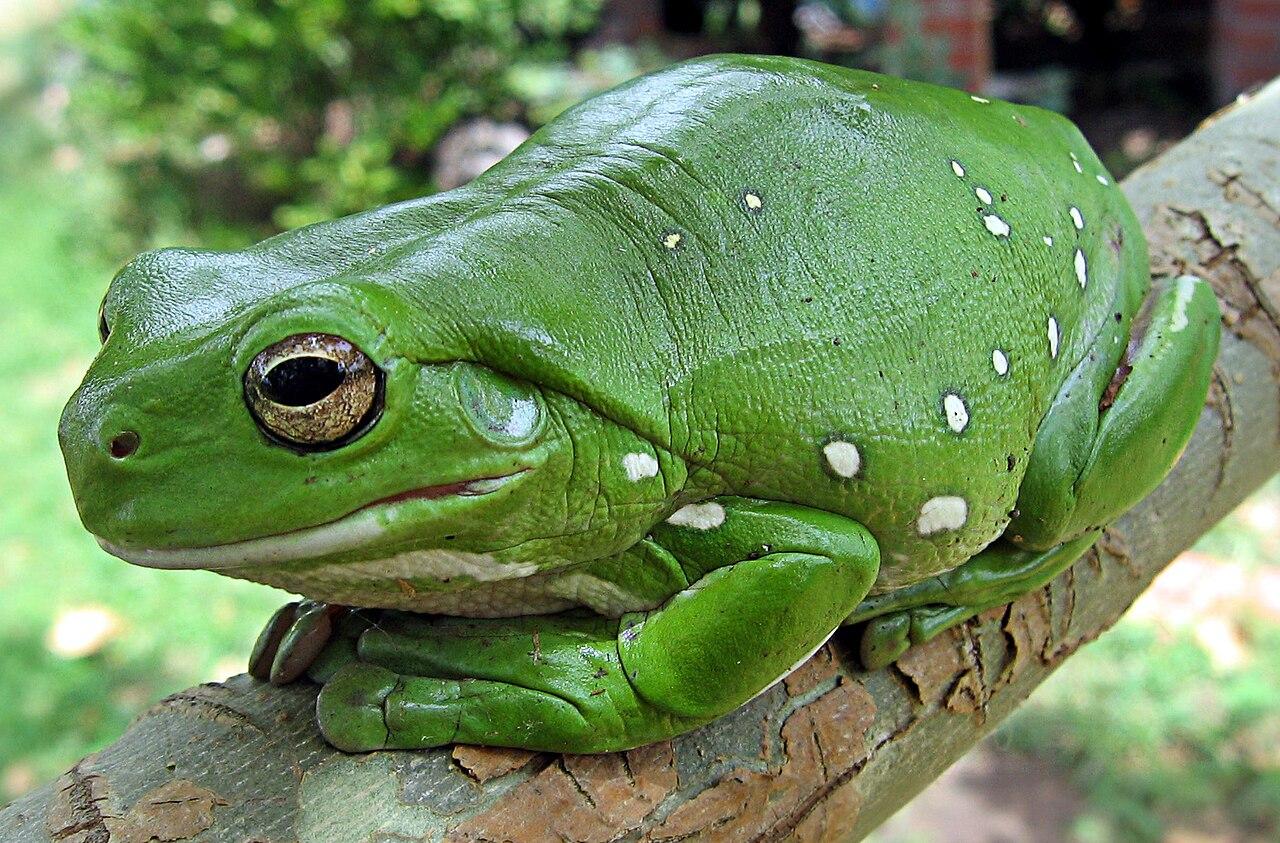
Australian White's Tree Frog · Blue-Eyed White's Tree Frog
Chubby smiley frog that croaks you to sleep
Docile, hardy, and famously cute — White’s tree frogs tolerate beginner mistakes and can live 15+ years. Nocturnal and hands-off (oils damage their skin), they eat crickets a few nights a week and snooze all day.
Photo: Wikimedia Commons / LiquidGhoul / Public domain
Care guide last reviewed: · Care requirements referenced from veterinary and humane standards.
Tall 20-gallon terrarium with branches and daily misting; keeps well in small groups.
Quiet (2/5)
Highly independent — comfortable alone 8+ hours
Thrives with daily company
Three curated supplies researched for this companion's specific anatomy and daily welfare

White’s tree frogs are hefty arboreal leapers needing vertical height and front-opening doors to prevent stress during daily feeding and maintenance.
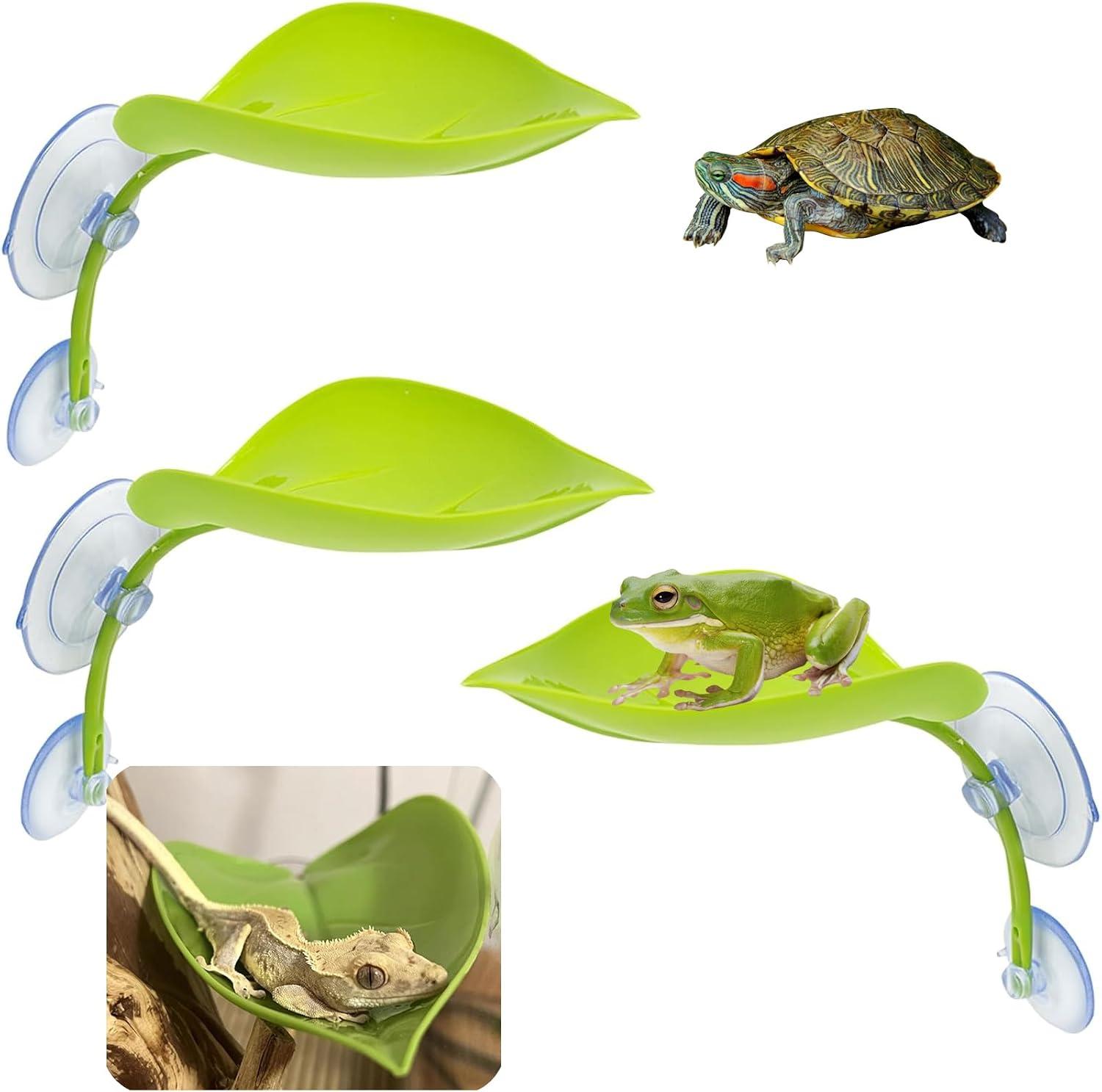
These docile "dumpy" frogs love lounging high above the ground; smooth suction cup wall pods provide an elevated rest spot away from damp substrate.
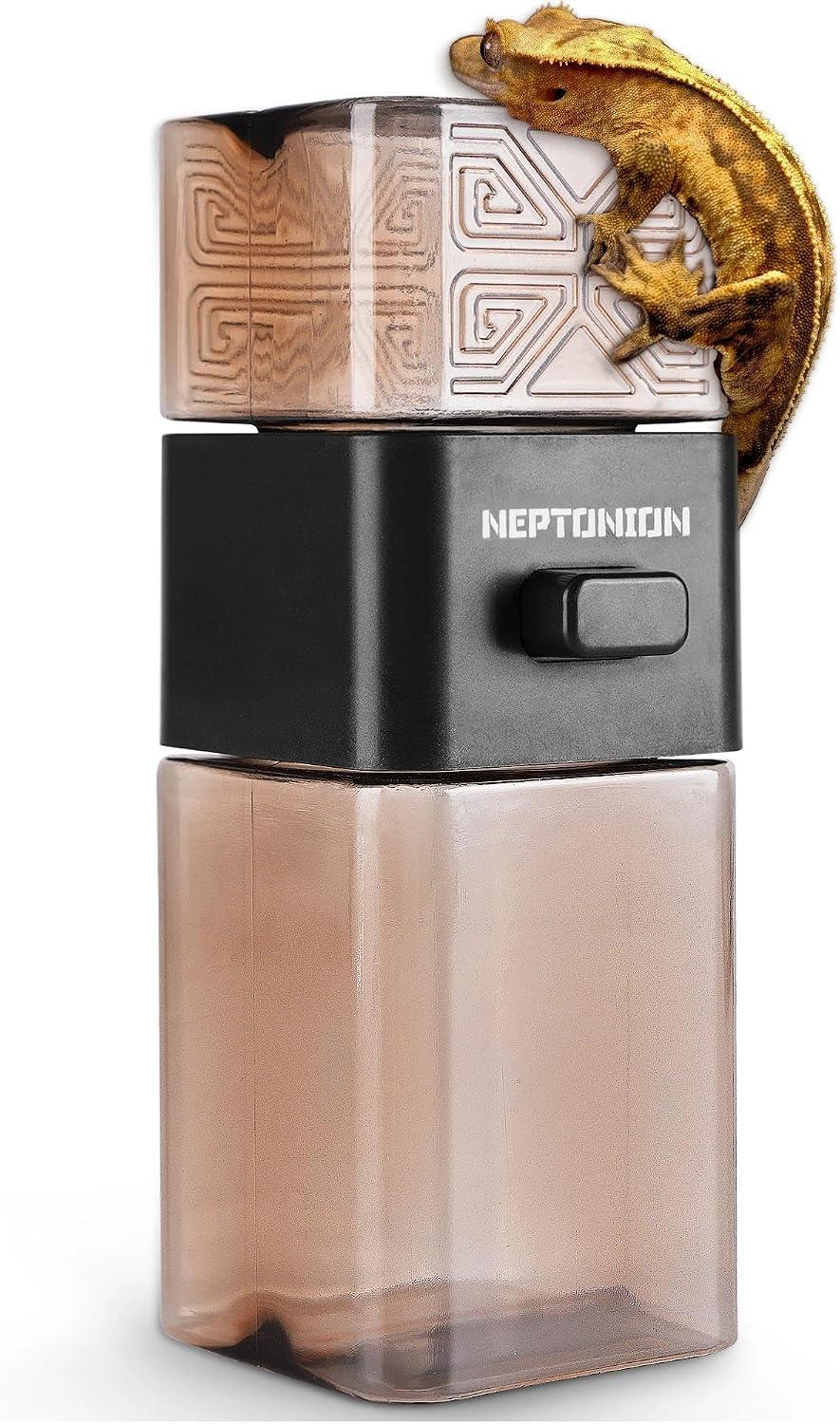
Amphibians absorb calcium and Vitamin A to prevent nutritional secondary hyperparathyroidism and short-tongue syndrome; all-in-one dusters coat feeder crickets.
As an Amazon Associate, WhatPetSuitsYou earns from qualifying purchases. Product prices and availability are accurate at Amazon and subject to change.
As a pet, a White's tree frog is a chubby, placid, smiling presence that snoozes on glass all day and pads out to hunt at night with deliberate charm. They are social enough to live in small compatible groups in a roomy tank, communicate with soft nighttime croaks, and learn feeding routines, gathering at the glass when crickets appear. There is no fur, minimal smell with good cleaning, and gentle sound rather than noise.
Handling is essentially forbidden beyond rare gloved moves, so the bond is observational: you become the keeper of a tiny nocturnal jungle. For owners who find evening frog-watching genuinely relaxing, few pets repay so little work with so much character over a 12 to 16 year life.
White's tree frogs eat live insects a few nights a week: gut-loaded brown crickets, dubia roaches, locusts, calciworms, and silkworms, sized no wider than the space between the frog's eyes. Feed juveniles every other night and adults two to three times a week, offering what the frog takes in about 15 minutes, typically a handful of crickets per session. Gut-load feeders for 24 hours beforehand and dust with calcium plus D3 at most feeds and a reptile multivitamin weekly to prevent metabolic bone disease.
Mealworms and waxworms are occasional extras only, since White's tree frogs overeat enthusiastically and become obese. Remove uneaten insects so they cannot harass sleeping frogs, and mist before feeding: hydrated frogs hunt better. Never offer wild-caught insects, which carry pesticides and parasites.
House one or a small group in a tall glass terrarium at least 45 cm long and 60 cm high, since White's tree frogs are arboreal perchers that climb to survey territory. Glass suits them better than heat-holding wooden vivariums. Furnish with sturdy horizontal branches and vines, broad perches, live or silk foliage for cover, a large shallow water dish for soaking, and coarse orchid bark or coconut substrate kept slightly moist with moss pockets.
Hold air temperature near 24C, never above 27C or below 18C, using a side-mounted heat mat on a thermostat and only a small basking bulb if the room runs cold. Provide a 5 to 6 percent UVB tube or compact lamp on a 12-hour cycle for vitamin D3. Mist nightly to hold humidity at 50 to 70 percent, and ventilate well to prevent bacterial growth.
Daily care takes 10 to 15 minutes, mostly at night. Mornings: mist lightly, check temperature and humidity, and refresh the soaking dish with dechlorinated water. Evenings: mist again, offer dusted live insects on feeding nights two to three times a week, and spot-clean droppings from glass and leaves. White's tree frogs sleep motionless all day and wake after dark, so schedule feeding and observation for night owls.
Handle almost never: skin absorbs oils, soap, and salt from hands, so use moistened powder-free gloves only when necessary and never with dry hands. Weekly, scrub the water dish, check branch stability under growing frogs, and weigh juveniles. Monthly, refresh substrate patches and inspect skin for dullness, sores, or stuck shed that signals humidity or water-quality trouble.
White's tree frogs are hardy but prone to obesity from overfeeding, bacterial and red-leg infections from dirty water, and metabolic bone disease without calcium and UVB. Watch for cloudy eyes, persistent skin discolouration or sores, bloating, weight loss despite feeding, and lethargy at night when the frog should hunt. Chytrid fungus is a serious amphibian disease, so quarantine newcomers and never mix wild-caught animals.
Prevention means dechlorinated water changed often, misted but ventilated tanks, dusted gut-loaded insects, quarantine of 30-plus days, and washing hands before and after all contact since frogs also carry Salmonella. Exotic vet visits cost 50 to 90; amphibian-savvy vets are fewer than reptile ones, so find one early. Seek care for any frog that stops eating for over 2 weeks or develops sores.
Setup costs 150 to 300 for a tall glass terrarium, heat mat plus thermostat, UVB kit, branches, plants, water dish, substrate, mister, and instruments. Running costs are small: feeder crickets a few pounds a week, calcium and vitamin powders lasting months, dechlorinator, and modest electricity for a mat and UVB. Budget 10 to 20 a month. UVB tubes need replacing every 6 to 9 months and substrate refreshes are cheap.
Vet care is the variable: 50 to 90 per exotic consultation, more for cultures or imaging, and amphibian specialists can be scarce. Across a 12 to 16 year lifespan the total is modest, dominated by a decade of crickets rather than big bills. The hidden cost is holiday cover: live insects must be fed on schedule, so plan a knowledgeable sitter, not just a water top-up.
White's tree frogs are the easiest pet frog and a fair first amphibian for quiet homes. You will succeed if you are comfortable keeping live crickets, misting nightly, staying up late enough to feed and watch them, and leaving them unhandled for years at a stretch. You will struggle if you want daytime action, since they are ornaments by day and croak and hunt after dark, or if handling matters to you: dry hands damage their skin and frequent touching stresses them.
Males also call at night, which light sleepers should consider. Night-owl apartment dwellers who enjoy terrarium craft and cricket feeding will love them; families wanting a frog children can hold should look elsewhere.
Live gut-loaded insects: crickets, dubia roaches, locusts, and calciworms, dusted with calcium plus D3. Juveniles eat every other night, adults two to three nights a week in 15-minute sessions.
Avoid wild-caught bugs and keep fatty waxworms as rare treats, since these frogs become obese easily.
Almost never. Their skin absorbs oils, salt, and chemicals from hands, and handling stresses them.
Use moistened powder-free gloves only when necessary, never dry hands, and wash before and after. They are observation pets: watch them hunt at night instead.
Twelve to 16 years with good care, so they are a genuine long-term commitment. Longevity depends on dusted insects, UVB, clean dechlorinated water, correct temperatures near 24C, and avoiding obesity through measured feeding two to three times weekly.
Buy only if the whole household accepts that horizon.
Take our free 15-question what pet should I get quiz to get a personalized compatibility score and see how they match your living environment.
Take the Free Pet Quiz