Loading…
Loading…
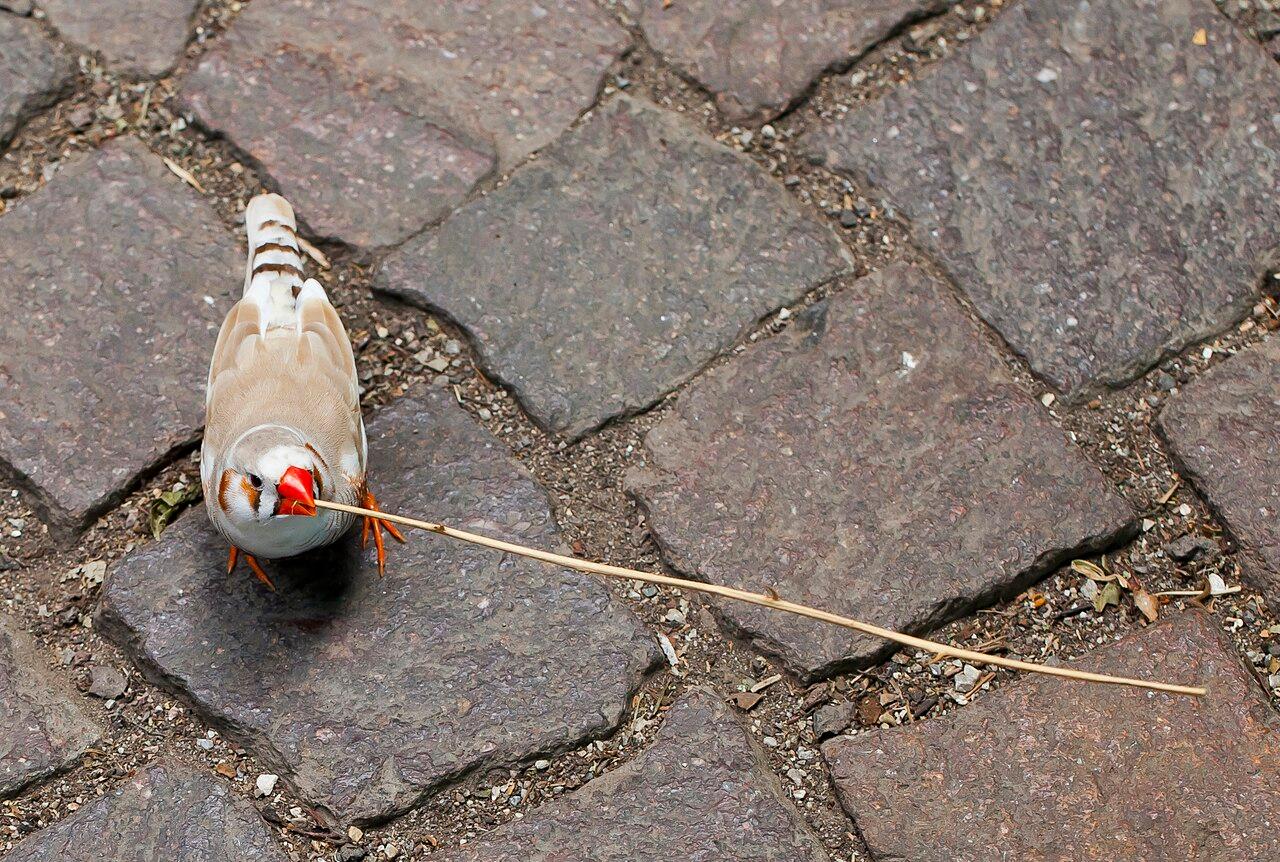
Wild-Type Zebra Finch · White Zebra Finch · Fawn Zebra Finch
Busy little flock with cheerful beeping songs
The classic aviary bird: hardy, cheap, and delightful in a small chattering flock. Males sing buzzy songs and build nests — a watch-and-listen pet that asks only for a roomy cage, seed, and greens.
Photo: Wikimedia Commons / Diego Delso / CC BY-SA 3.0
Care guide last reviewed: · Care requirements referenced from veterinary and humane standards.
Roomy flight cage for 4–6 birds; flock, never solo.
Moderate (3/5)
Tolerates a normal workday with enrichment
Thrives with daily company
Three curated supplies researched for this companion's specific anatomy and daily welfare
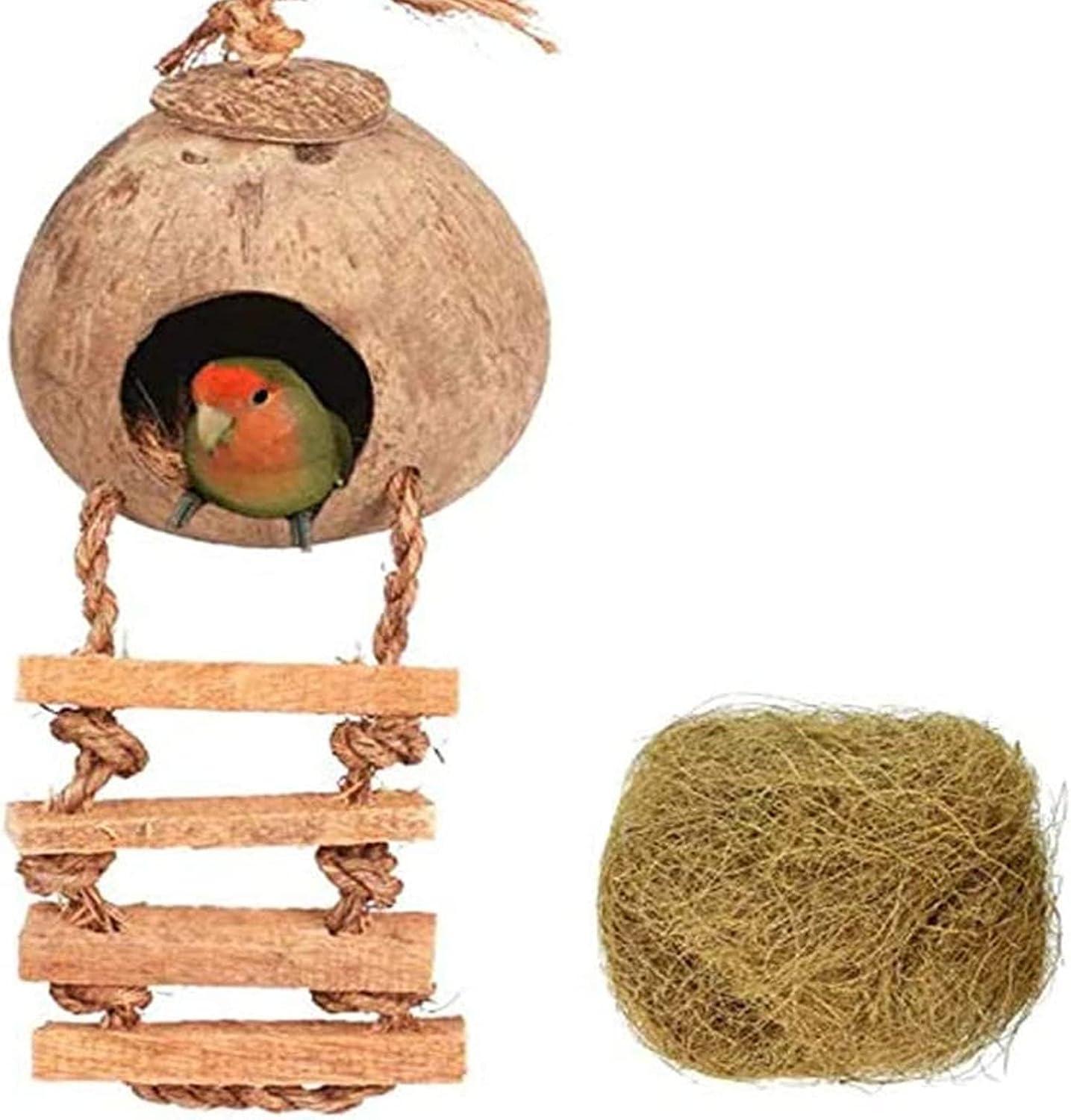
Zebra finches sleep inside enclosed roosts every night as pairs; natural coconut fiber pouches give pair-bonded finches a warm, draft-free retreat.
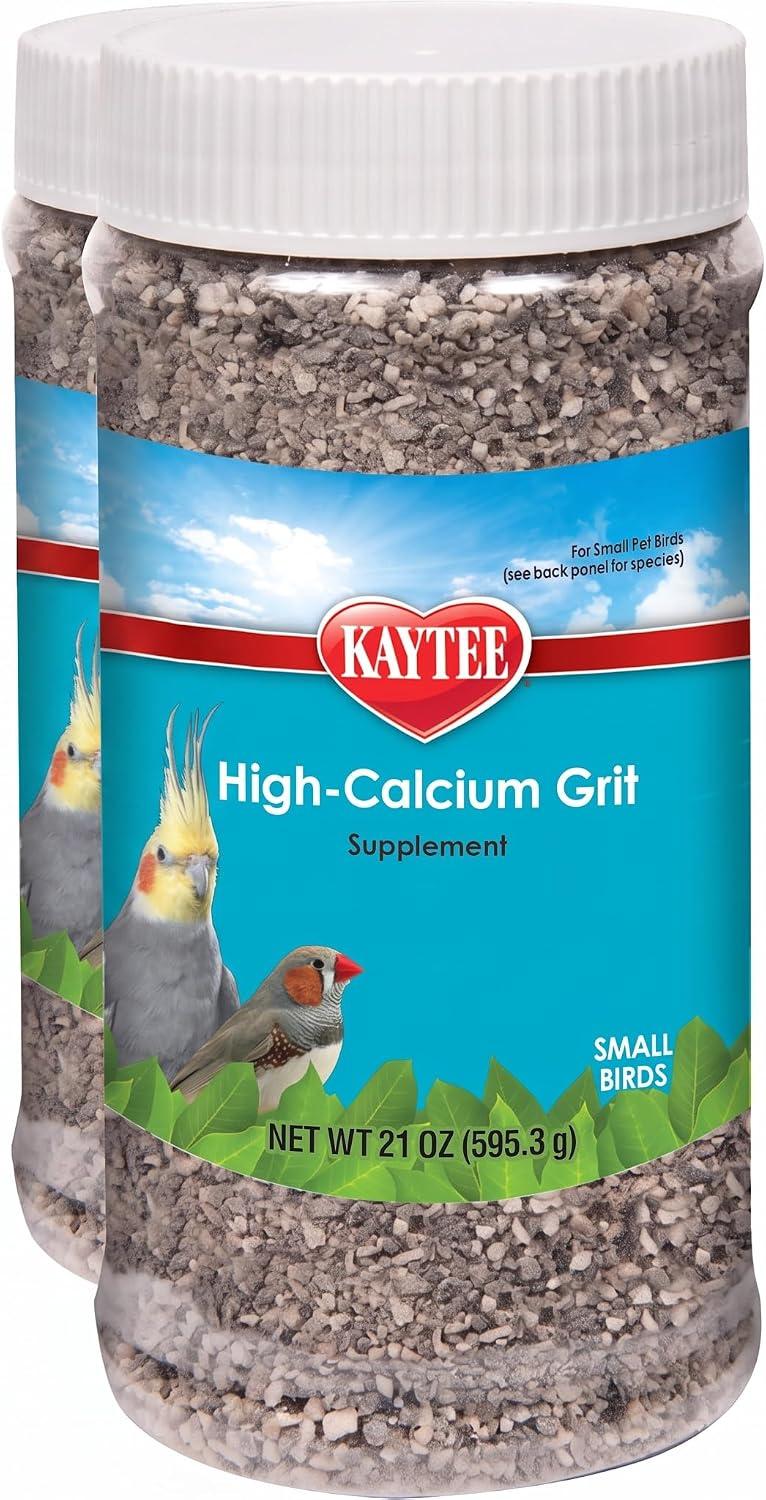
Whole seed eaters lack teeth and need fine soluble oyster shell grit in the gizzard to crush seed hulls, along with charcoal for digestive settling.
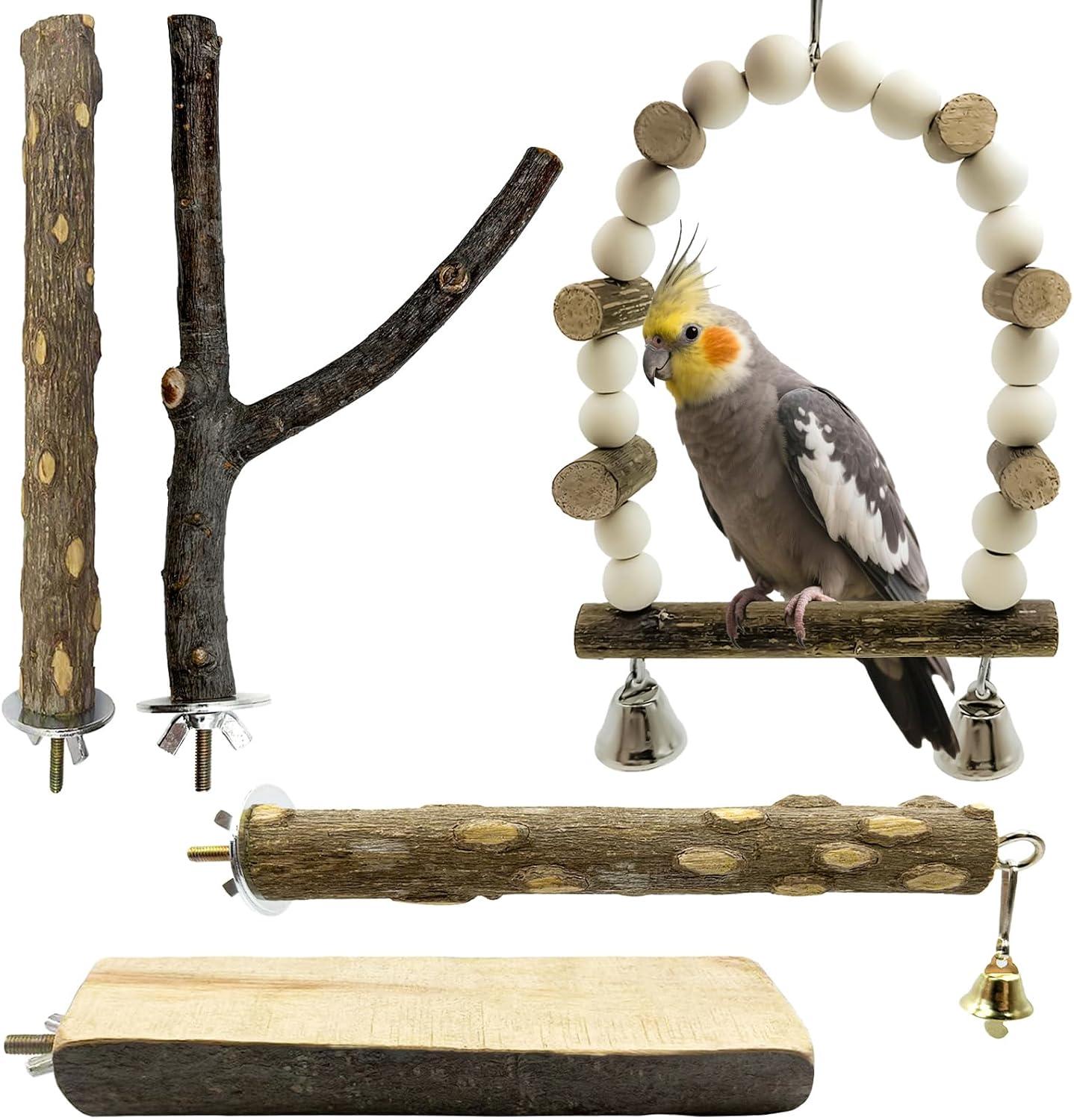
Finches spend hours hopping and swaying; smooth-topped pumice perches gently wear down needle-sharp claws during play without abrading foot pads.
As an Amazon Associate, WhatPetSuitsYou earns from qualifying purchases. Product prices and availability are accurate at Amazon and subject to change.
A zebra finch flock as pets is a watch-and-listen experience: four to six busy birds hopping, beeping, and fluttering across a flight cage while orange-cheeked males sing buzzy courting songs and build practice nests. They are colony birds that must live socially, never singly, and they breed astonishingly fast, with clutches of four to six eggs incubated in two weeks.
Do not expect handling; most never perch on a finger. Expect seed husks everywhere, cheerful daytime beeping, short 5 to 7 year lifespans, and a self-entertaining flock that asks only for seed, greens, and company.
Feed a quality finch or foreign finch seed mix of small millets, canary seed, and a little niger as the staple, about one and a half to two teaspoons per bird daily, blowing husks off the dish so empty shells never hide the seed level. Supplement with fresh greens daily such as spinach, kale, dandelion leaves, and chopped broccoli, plus grated carrot and cucumber.
Offer egg food or mashed boiled egg two to three times weekly, daily during molt and breeding, since seeds alone lack protein and vitamin A. Keep a cuttlebone plus a small dish of soluble oyster-shell grit only (never sharp insoluble silica grit), change water daily, and never feed avocado, chocolate, or caffeine.
Keep a flock of four to six in a long flight cage rather than a tall narrow one, since finches fly horizontally. A single pair needs at least 30 inches long, 18 high, and 18 wide, while a flock of six wants 48 inches or an indoor aviary, with bar spacing no more than three-eighths of an inch.
Fit several natural branch perches of one to two centimeters diameter at different heights, never over food or water, plus a shallow bath dish and a few swings. Hold the room at 65 to 75 degrees without drafts, give 10 to 12 hours of sleep, and provide no nests or nesting material unless you intend to breed.
Daily care takes 15 to 20 minutes. Top up seed, blow off husks, refresh water bottles and bath, clip in greens and egg food, and glance over every bird for fluffed posture or soiled vents. Finches are hands-off, so care is observation: listen for male buzzing songs and watch for chasing that signals overcrowding.
Spot-clean paper and perches midweek and do a full weekly wash of tray, dishes, and bath. Weigh birds occasionally if tame enough to catch calmly. Without nests and with limited daylight, mixed groups breed less, but check for eggs hidden in food bowls.
Finches are hardy but avian vets see air-sac mites causing clicking, wheezing, and tail bobbing, coccidiosis with diarrhea, scaly face mites, egg binding in hens, and iodine deficiency on plain seed diets. A bird sitting fluffed on the floor, breathing with effort, or losing song needs veterinary attention within a day, with ivermectin and antibiotics prescribed as appropriate.
Quarantine newcomers for 30 days since mites and coccidia spread fast through flocks. Keep the cage dry, avoid overcrowding, supply cuttlebone calcium for hens, and never dose the water with random remedies without diagnosis.
Zebra finches cost 10 to 25 dollars each, so a starter flock of four runs 40 to 100 dollars. A long flight cage costs 80 to 180 dollars, with perches, bath, dishes, cover, and seed adding 40 to 60. Running costs are minimal: seed mix, egg food, and greens total 8 to 15 dollars a month.
Vet spending is usually low but keep a reserve, since flock outbreaks need treatment. Expect 10 to 20 dollars a month, the Minimal tier, making them the cheapest birds on this site to keep.
Zebra finches are the easiest flock bird for busy owners who want living birdsong and courtship behavior for 5 to 7 years without handling demands. They forgive beginner feeding mistakes better than parrots and entertain for hours.
They are wrong for children wanting a tame pet, since finches never enjoy handling, for anyone wanting one bird, because solo finches suffer, and for soft-hearted owners unprepared to manage breeding. Start with a same-sex group of four to six, skip the nest boxes, and enjoy the lowest-maintenance bird here.
Keep at least a pair, ideally a flock of four to six in a long flight cage. Finches are colony birds and a lone finch gets stressed and quiet.
Flocks show natural singing, preening, and courtship. Never house one singly without a compelling veterinary reason.
Extremely easily. Given any nest, shredded paper, or coconut fiber, pairs lay four to eight eggs and raise chicks with no help.
To prevent breeding, offer no nests or nesting material, keep same-sex groups, and limit daylight. Decide before buying whether you want chicks.
Indoor pet finches typically live 5 to 7 years, occasionally 10 to 12 with excellent diet and uncrowded housing. Wild birds manage only 2 to 3 years.
Egg food, greens, cuttlebone calcium, and prompt mite treatment all extend lifespan. A calm stable flock routinely outlives a stressed crowded one.
Essentially no. Finches may take millet from fingers but do not enjoy handling, and chasing them causes dangerous stress.
They are observation pets like aquarium fish. If you want a bird that rides your shoulder, choose a budgie, cockatiel, or conure instead.
Take our free 15-question what pet should I get quiz to get a personalized compatibility score and see how they match your living environment.
Take the Free Pet Quiz